Description
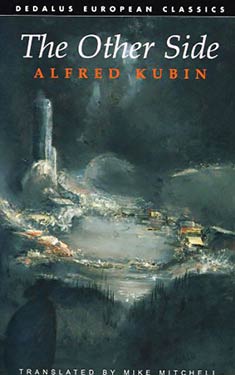
The Other Side tells of a dream kingdom which becomes a nightmare, of a journey to Pearl, a mysterious city created deep in Asia, which is also a journey to the depths of the subconcious, or as Kubin himself called it, 'a sort of Baedeker for those lands which are half known to us'. A town named Pearl, assembled and presided over by the aptly named Patera, is the setting for his hallucinatory vision of a society founded on instinct over reason. Culminating apocalyptically - plagues of insects, mountains of corpses and orgies in the street - it is worth reading for its dizzying surrealism alone. Though ostensibly a gothic macabre fantasy, it is tempting to read The Other Side as a satire on the reactionary, idealist utopianism evident in German thought in the early twentieth century, highly prescient in its gloom, given later developments. The language often suggests Nietsche. The inevitable collapse of Patera's creation is lent added horror by hindsight. Kubin's depiction of absurd bureaucracy is strongly reminiscent of Kafka's The Trial, and his flawed utopia, situated next to a settlement of supposed savages, brings to mind Huxley's Brave New World; it precedes both novels, and this superb new translation could demonstrate its influence on subsequent modern literature.
What it’s like
Details
- 2000
- 360
- About 7 hours
- Novel
- Adult